Open Science challenges researchers with increasingly complex decisions regarding the sharing of their research results, methods, tools, and data. The infoclio.ch Conference 2025, organized together with OpenEdition Lab explored the intellectual and technical precursors of Open Science and discussed the practical challenges of its implementation in the age of generative artificial intelligence models.
On this page you will find recordings of the presentations and panel discussions, a report on the conference and contributions to the blog series «Open Science in Switzerland».
The Beginnings of Open Science
Science as "A Problem Not Yet Fully Resolved": Universities and the Public Use of Reason Between Kant and Humboldt

A written version of the talk is available here.
Transparence et ouverture ou fermeture : pratiques et publics de la science, 1660-1800

A Technical History of Open Science
How to Produce Open Data? Epistemological and Organizational Challenges in Medieval History (1960 – 1990)
404 Data Not Found! Offenheit und Nachhaltigkeit in der deutschen Geschichtswissenschaft
Podium: Wer darf heute an den Wissenschaften teilnehmen?
Going Beyond the Limits of Open Science
A Missed Revolution: Open Humanities and the Unforced Force of the Better Argument
Towards an Inclusive Open Science
"Morphing" Open Science for the Humanities and Social Sciences
In the run-up to this conference, infoclio.ch published a series of blog posts on current topics related to open science in Switzerland and beyond. The aim of the blog series is to present new projects, highlight online resources, and open up space for reflection and discussion.

Dans ce billet, Cristina, Grisot (Dariah-CH / Clarin-CH) présente l'association « Swiss Social Sciences & Humanities Open Cluster SSHOC-CH » et les raisons qui ont conduit à sa création. Elle détaille les différents objectifs que SSHOC-CH s'est fixés pour améliorer la visibilité et la coordination des infrastructures en SHS, et présente le plan de travail 2026 de l'association.

Joachim Schöpfel, Ulrich Herb und Niels-Oliver Walkowski stellen in diesem Beitrag die Aufzeichnungen der von ihnen organisierten Vortragsreihe «Open Divide – Critical Studies on Open Access» zur Verfügung, die die Grundlage für eine neue Ausgabe des Sammelbands «Open Divide: Critical Studies on Open Access» bildet, der 2026 erscheint.
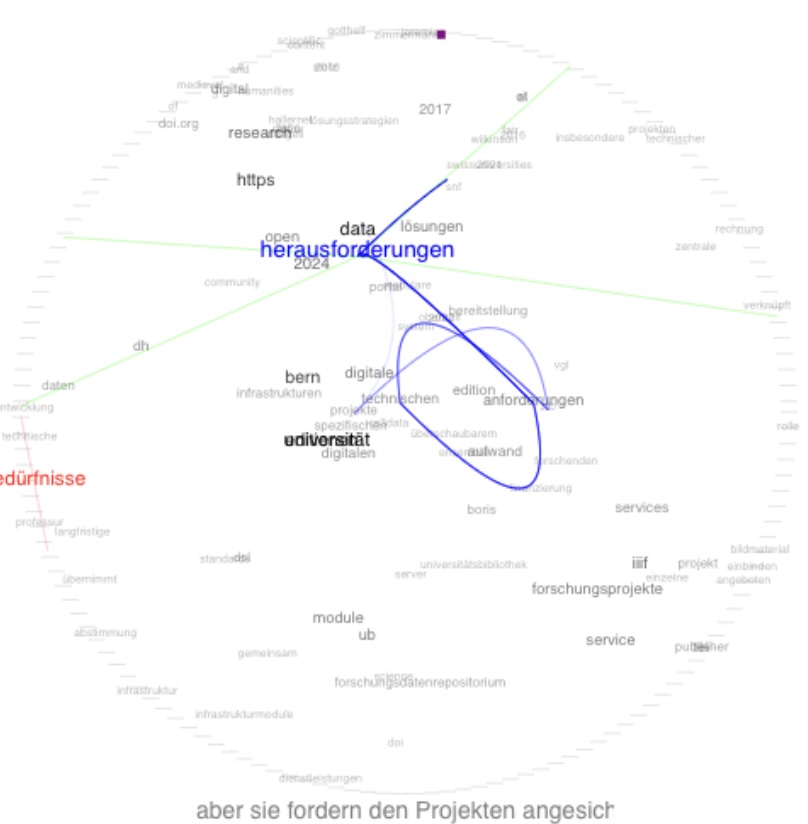
In implementing Open Science, libraries, data centers, and other research institutions offer support in the form of services and infrastructure. In his contribution, Gero Schreier (Universitätsbibliothek Bern) presents the research data management support services offered by Bern University Library and explains the role of Data Stewards in this process.
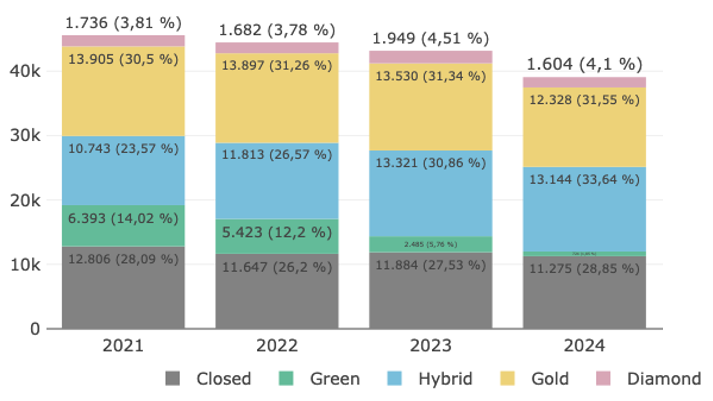
Diamond Open Access is considered the ideal solution for guaranteeing free access to online journals. However, this model is developing only slowly in Switzerland. In his contribution, Beat Immenhauser (SAGW) explains the challenges involved in taking the ‘diamond route’ and how a viable funding model for Diamond Open Access journals could be developed.
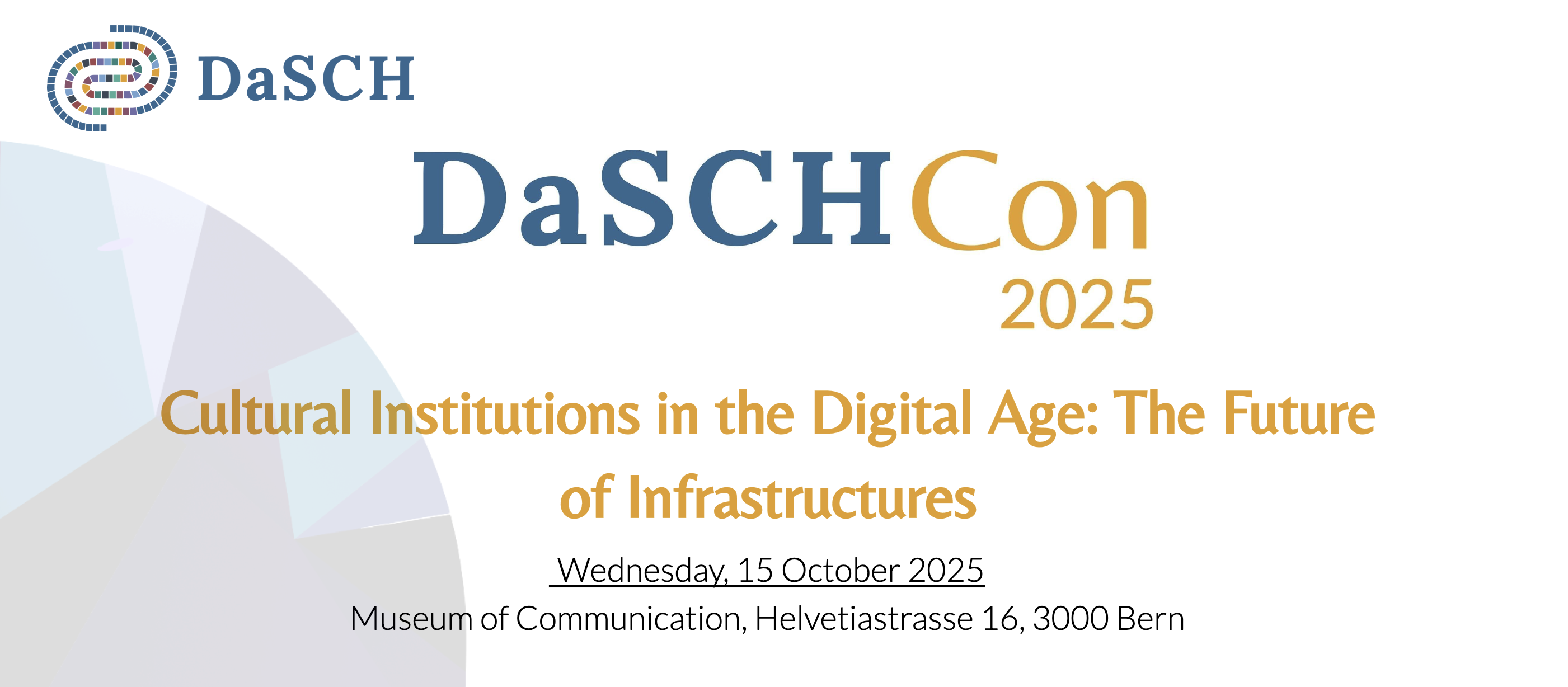
The conference "DasSCHCon 2025 - Cultural Institutions in the Digital Age. The Future of Infrastructures" took place on 15 October 2025 in Bern and provided an overview of data management and digital infrastructures in heritage institutions (archives, libraries, museums) in Switzerland. Enrico Natale (infoclio.ch) provides a summary of the discussions here.

The ‘Wikimedians in Residence’ programme facilitates collaboration between research institutions and the collaborative encyclopaedia Wikipedia. In this post, Delphine Montagne, research engineer and Wikimedian in Residence in 2025 at URFIST Lyon, presents this initiative and the Open Science projects carried out within its framework.

The new national Open Access Strategy 2024 includes the development and coordination of infrastructure and services, particularly for Diamond Open Access. In his article, Elio Pellin (University Library of Bern) explains how Bern Open Publishing (BOP) implements science-led publishing and outlines the projects in which the University Library of Bern is involved to improve institutional Diamond OA publication.

In this post, Pierre Mounier (EHESS; OPERAS) argues that the current period marks the end of an era in the relationship between science and society. In this context, writing the history of Open Science means examining how the Internet and neoliberal management practices in research institutions have profoundly transformed the idea of research autonomy, historically defended by researchers themselves.
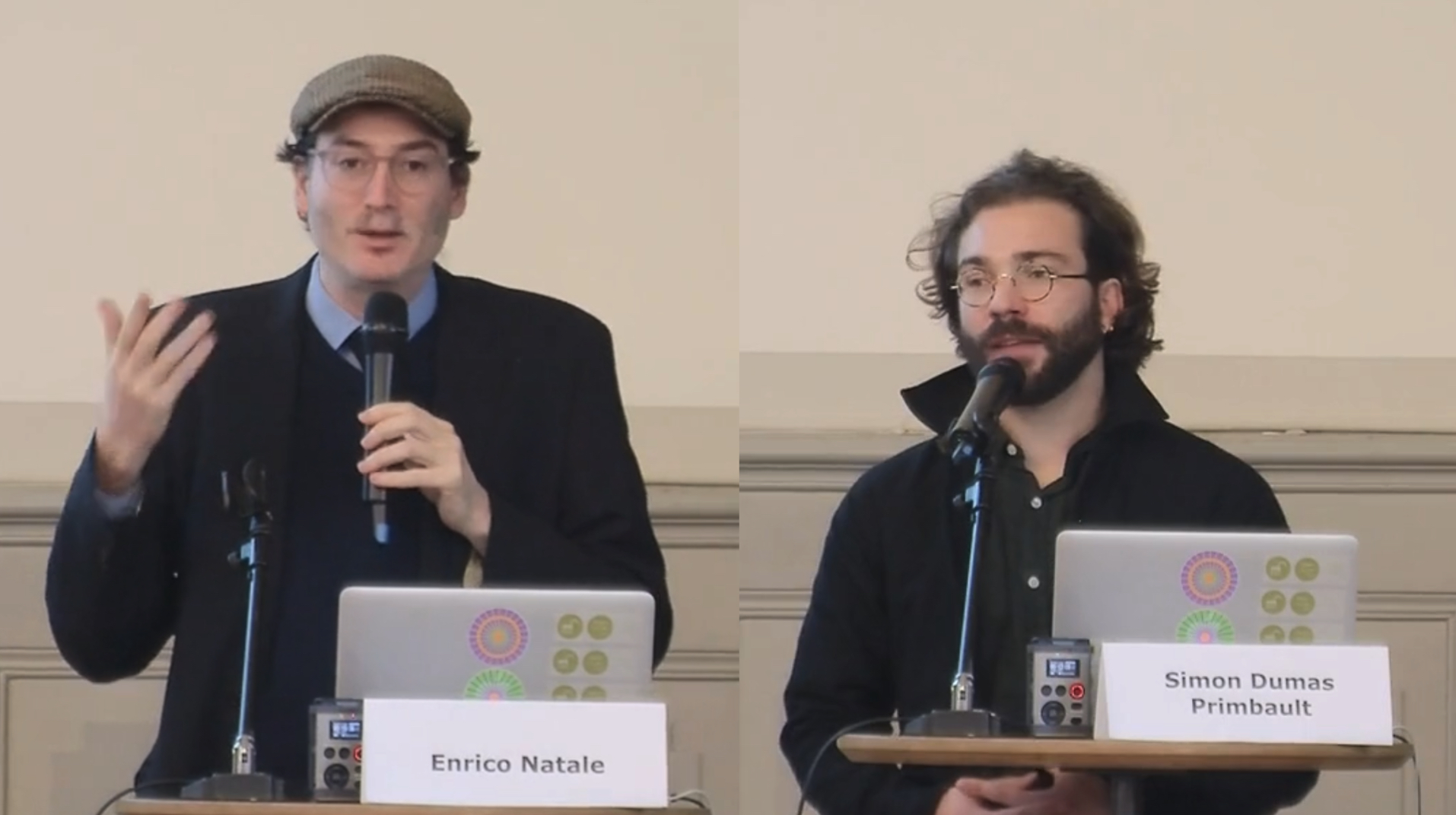
This article discusses the connection between Open Science and citizen science. It is based on a round table discussion held in Lausanne in June 2025. Simon Dumas Pimbault (Open Edition Lab) summarises the main arguments raised, giving prominence to direct quotes from the speakers.
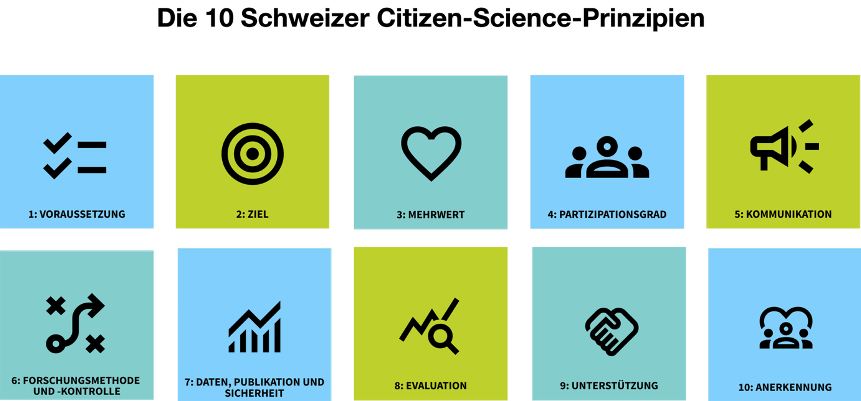
Citizen science is based on the idea that people outside academia – citizens – can also collaborate with researchers. In his article, Tizian Zumthurm, project manager Citizen Science for the Science et Cité Foundation, provides an overview of the development of citizen science in Switzerland and presents an interactive checklist for planning and implementing projects.
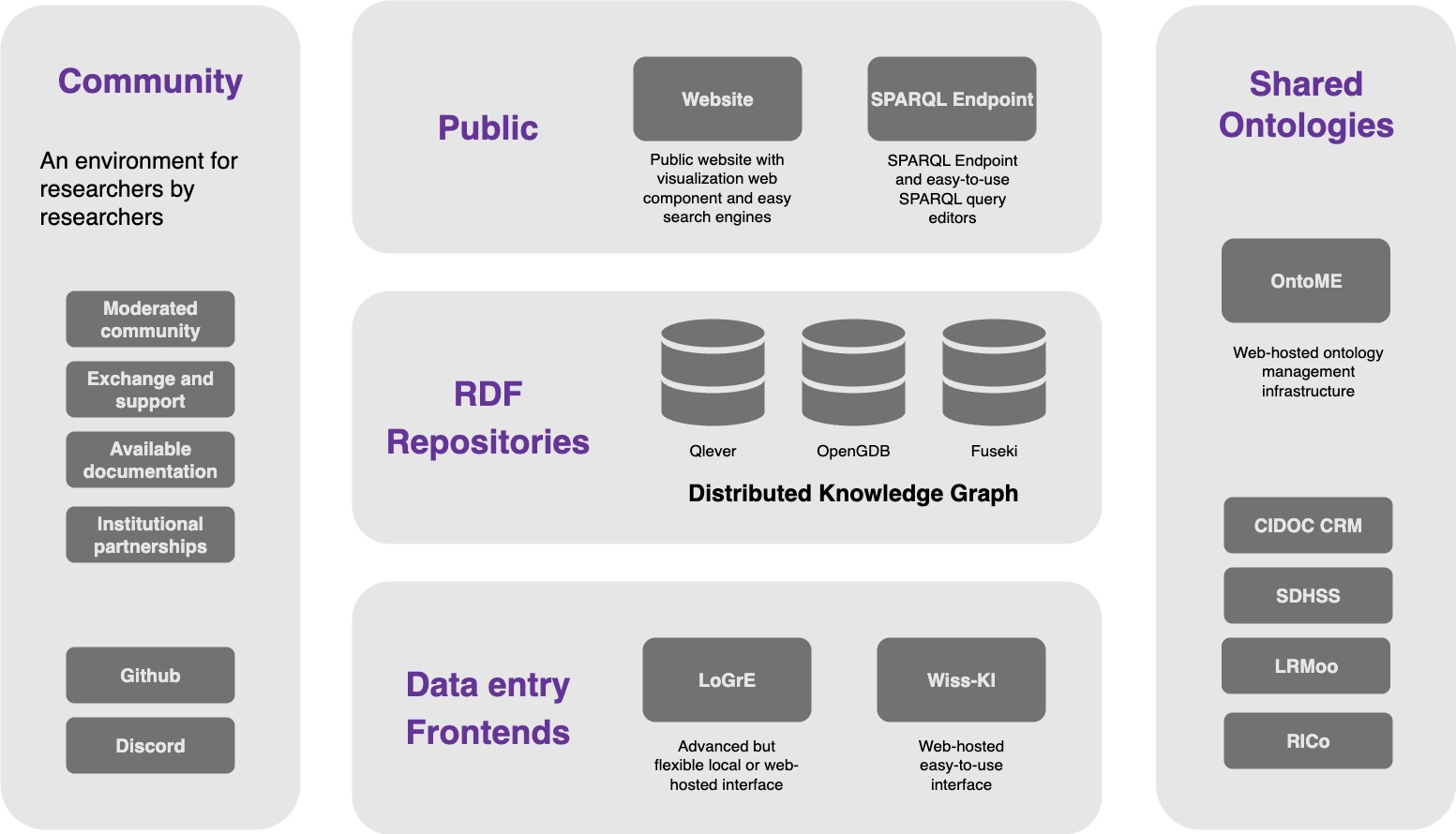
Research infrastructures are key to the foundations of Open Science. In this blog post, Stephen Hart (University of Bern) and Francesco Beretta (University of Neuchâtel) discuss the background and current status of a research infrastructure project focused on managing historical data in a linked open data environment.
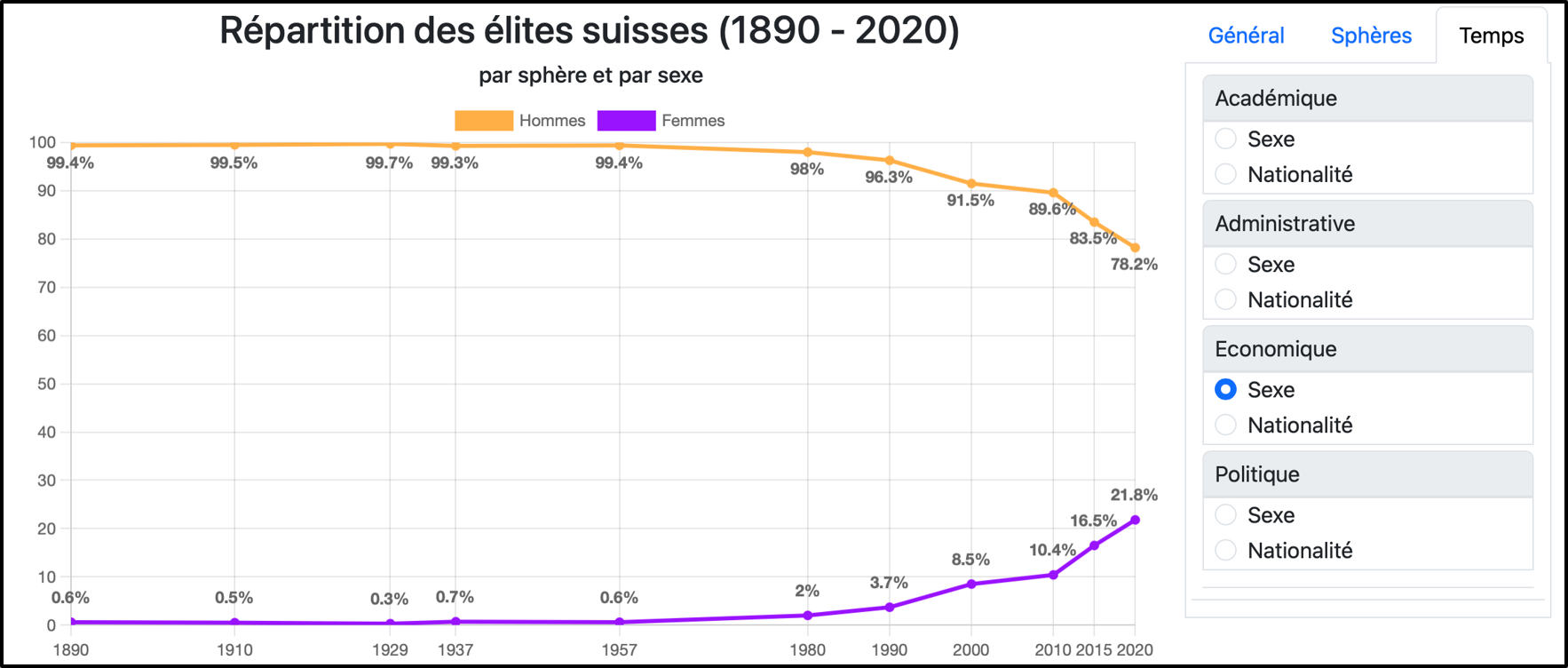
Between 2023 and 2025, the Open Elite Data Project sought to make the data in the Swiss Elite Observatory (OBELIS) database publicly available. This article, written by Felix Bühlmann, discusses the main findings of the project and the challenges encountered in balancing personal data protection and accessibility requirements.
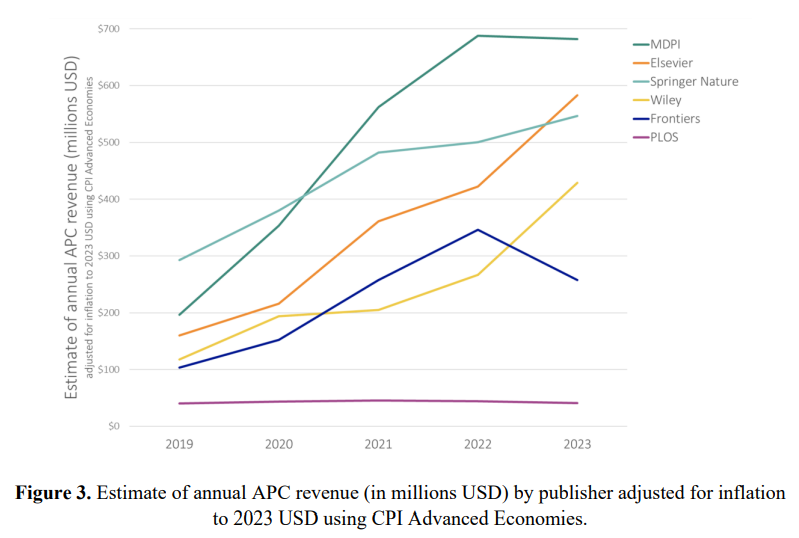
Moritz Mähr and Moritz Twente report on a workshop they organized on open access and open peer review in the digital humanities. Their post discusses possible alternatives to the current system of scientific publishing, based on the involvement of research communities, preprint servers, and collaborative peer review.
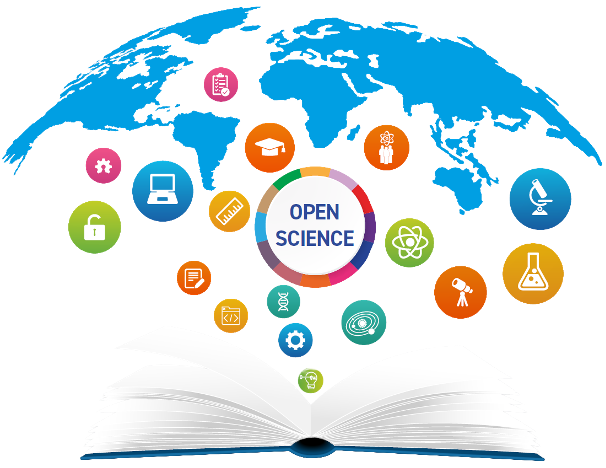
In this blog post, Thomas Leibundgut, co-coordinator for Open Science at swissuniversities, presents the goals and achievements of the Swiss national Open Science program. Drawing on the two strategic pillars – Open Access and Open Research Data – the author highlights the progress made between 2021 and 2024, as well as the new directions of the Open Science II program (2025–2028). The discussion also features key projects from the field of humanities and social sciences.

Cristina Grisot, coordinator of the DARIAH-CH network, reflects on the study day dedicated to the FAIR (Findable, Accessible, Interoperable, Reusable) and CARE (Collective Benefit, Authority to Control, Responsibility, Ethics) principles in the Humanities and Social Sciences. In her text, she sheds light on the concrete challenges faced by researchers in implementing these principles and offers a reflection on the ethical, technical, and political issues surrounding responsible data management in the HSS.
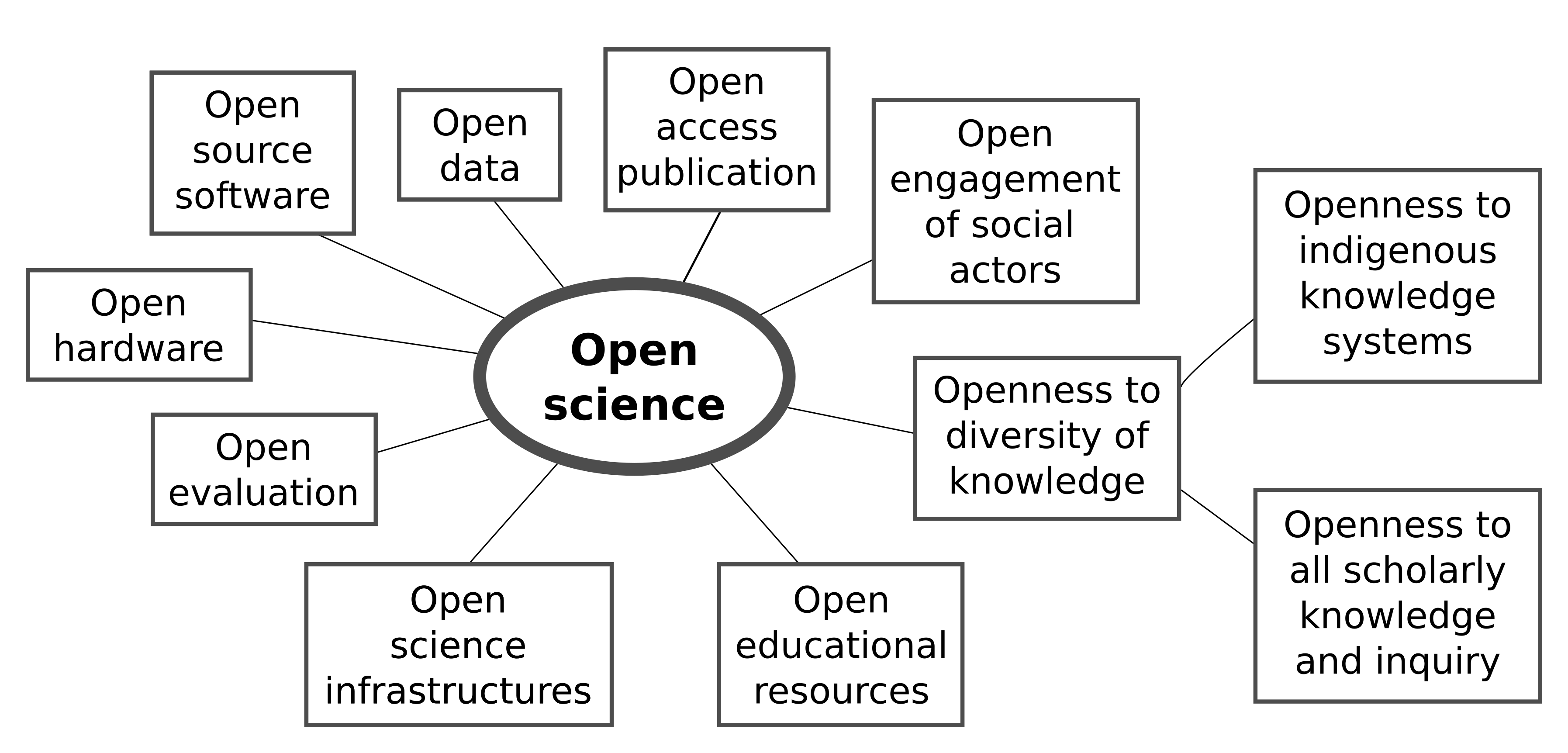
Julien Raemy is a Data Scientist at the Swiss Federal Archives and a lecturer at HEG Geneva. In this blog post, he outlines the main components of his course on Open Data and highlights the advantages of open platforms and formats in the field of education, which make educational content accessible to a wider audience.