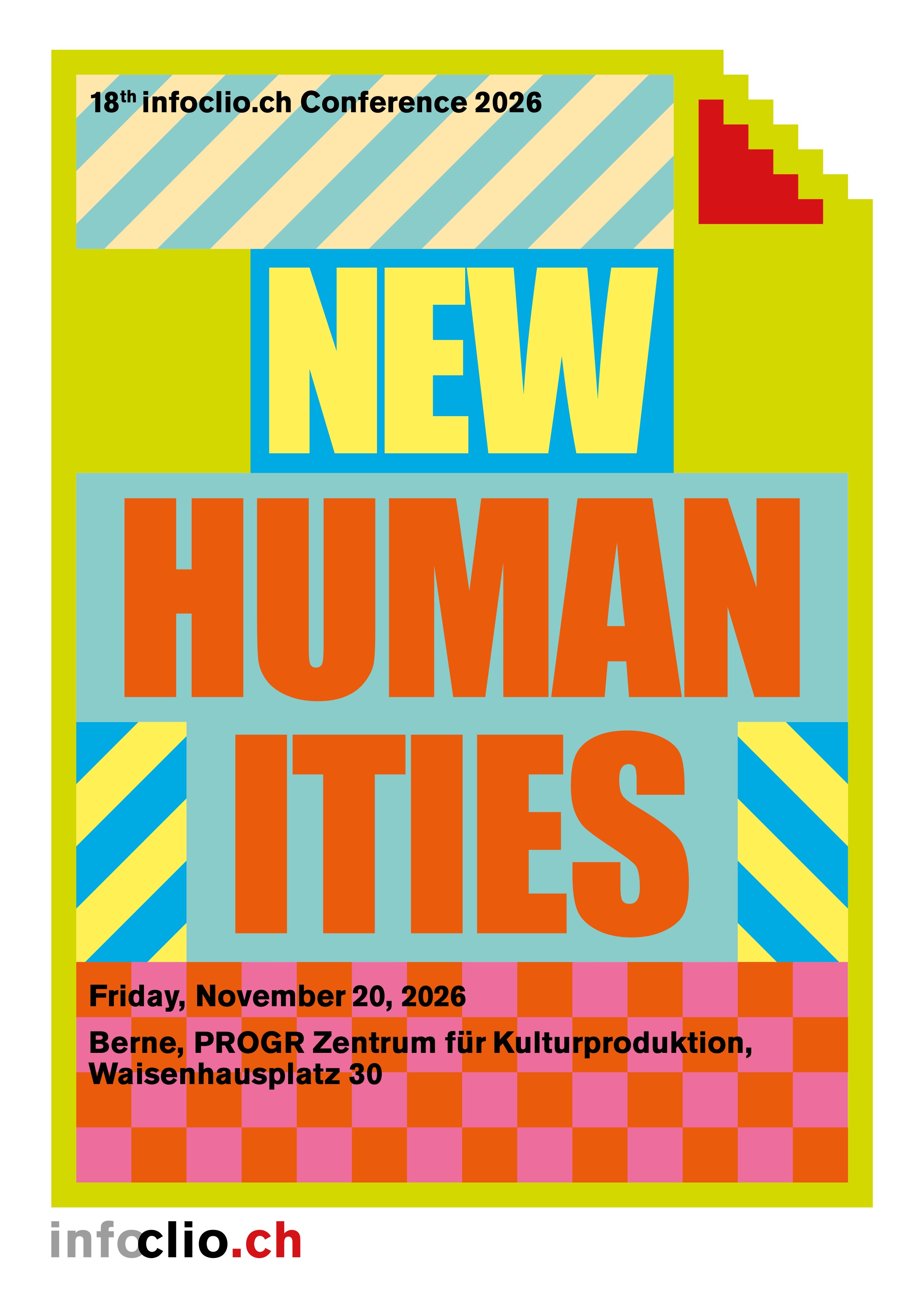
On 20 November 2026, infoclio.ch is organising its annual conference in Bern, in collaboration with Rosi Braidotti (University of Utrecht) and Tatiana Crivelli (Universität Zürich) on the theme of «New Humanities».
In the run-up to the event, the organisers are publishing a series of blog posts showcasing recent projects and reflections, particularly in the fields of posthumanism, relational approaches in the humanities and social sciences, and alliances between the arts and sciences.
In the run-up to this conference, infoclio.ch published a series of blog posts on current topics related to open science in Switzerland and beyond. The aim of the blog series is to present new projects, highlight online resources, and open up space for reflection and discussion.
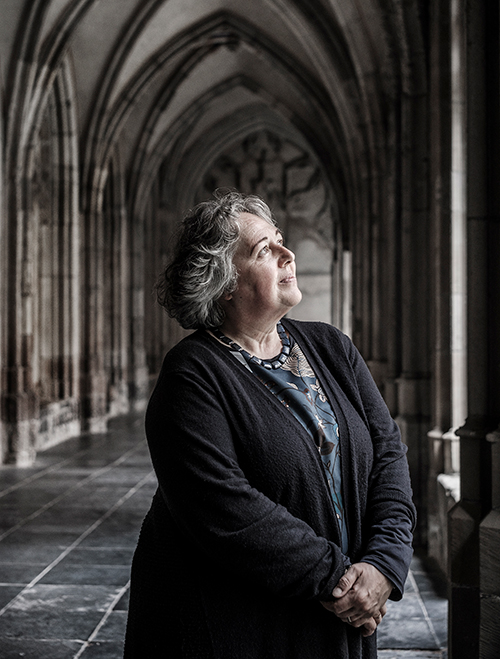
Rosi Braidotti (University of Utrecht), a philosopher and a leading thinker in post-humanism, as well as being the co-organiser of the infoclio.ch 2026 conference, presents an 'ABC' series comprising 26 short videos that explore concepts and ideas frequently featured in her philosophical work. The videos were recorded in 2026 and first shared on her Instagram account.

Posthumanism brings together knowledge-production practices from the arts and science. In this article, Cristina Urchueguía (University of Bern) presents the ‘Studies in the Arts’ (SINTA) programme, a practice-oriented doctoral programme co-run by the University of Bern and the Bern University of the Arts, which brings together the disciplines of the humanities, cultural studies and social sciences with the arts.

Anne Volvey, Professor of Geography at the University of Artois, outlines the implications of a ‘relational aesthetic turn’ in the humanities and social sciences today. She explains how sensibility and emotions are playing an increasingly central role in the production of knowledge across many disciplines, opening up new horizons in both scientific and political terms.
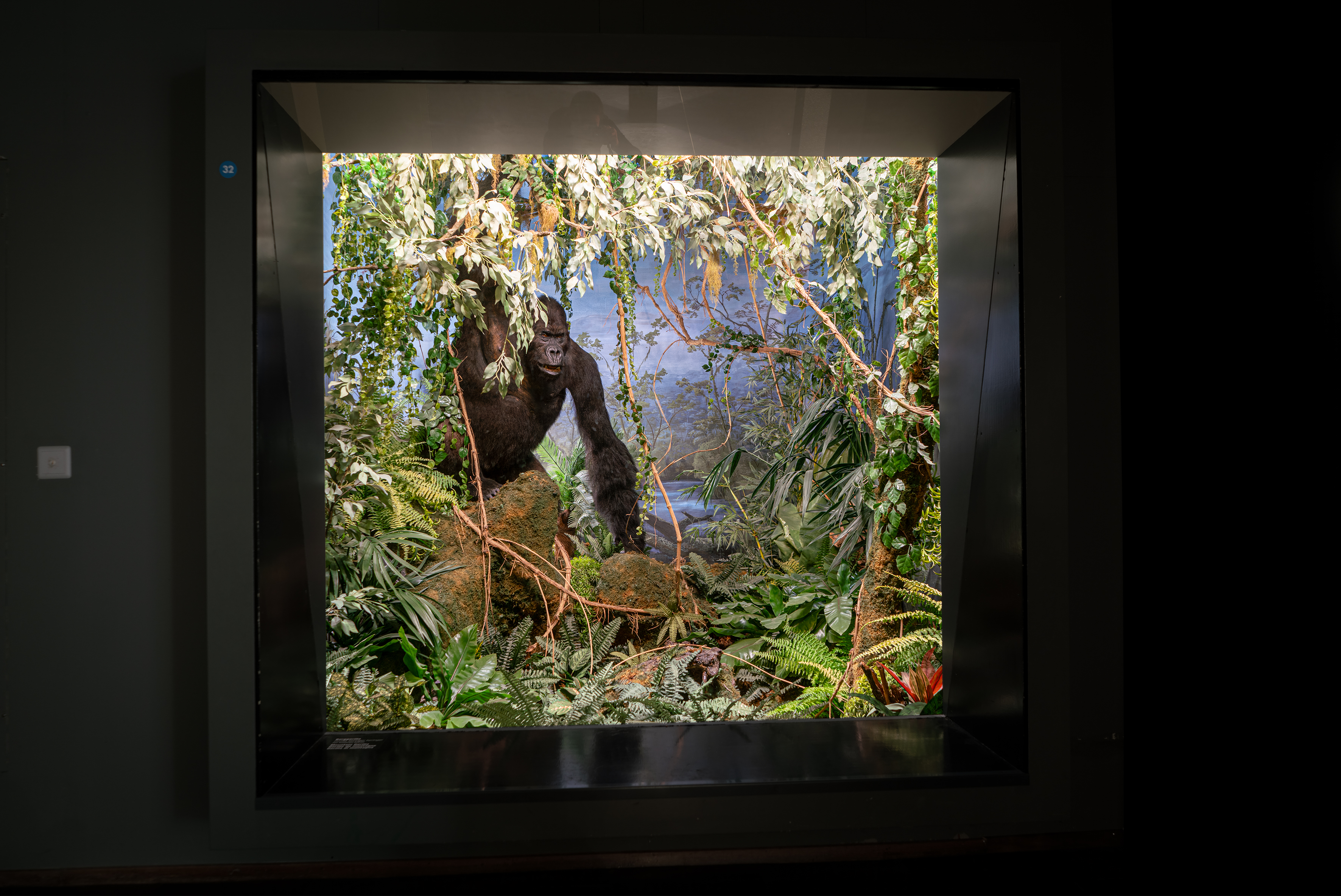
The exhibition ‘Was sich als Natur zeigt’ by the artist Luzia Hürzeler at the Kunstmuseum Solothurn examines the presence of animals in scientific collections. By highlighting the power relationships and technical processes inherent in the creation of these representations, the artworks reveal what lies behind the scenes of ‘naturalist’ depictions of nature. In his review, Enrico Natale explores the parallels between the artistic approach and historical method, and the potential collaborations between the arts and sciences.
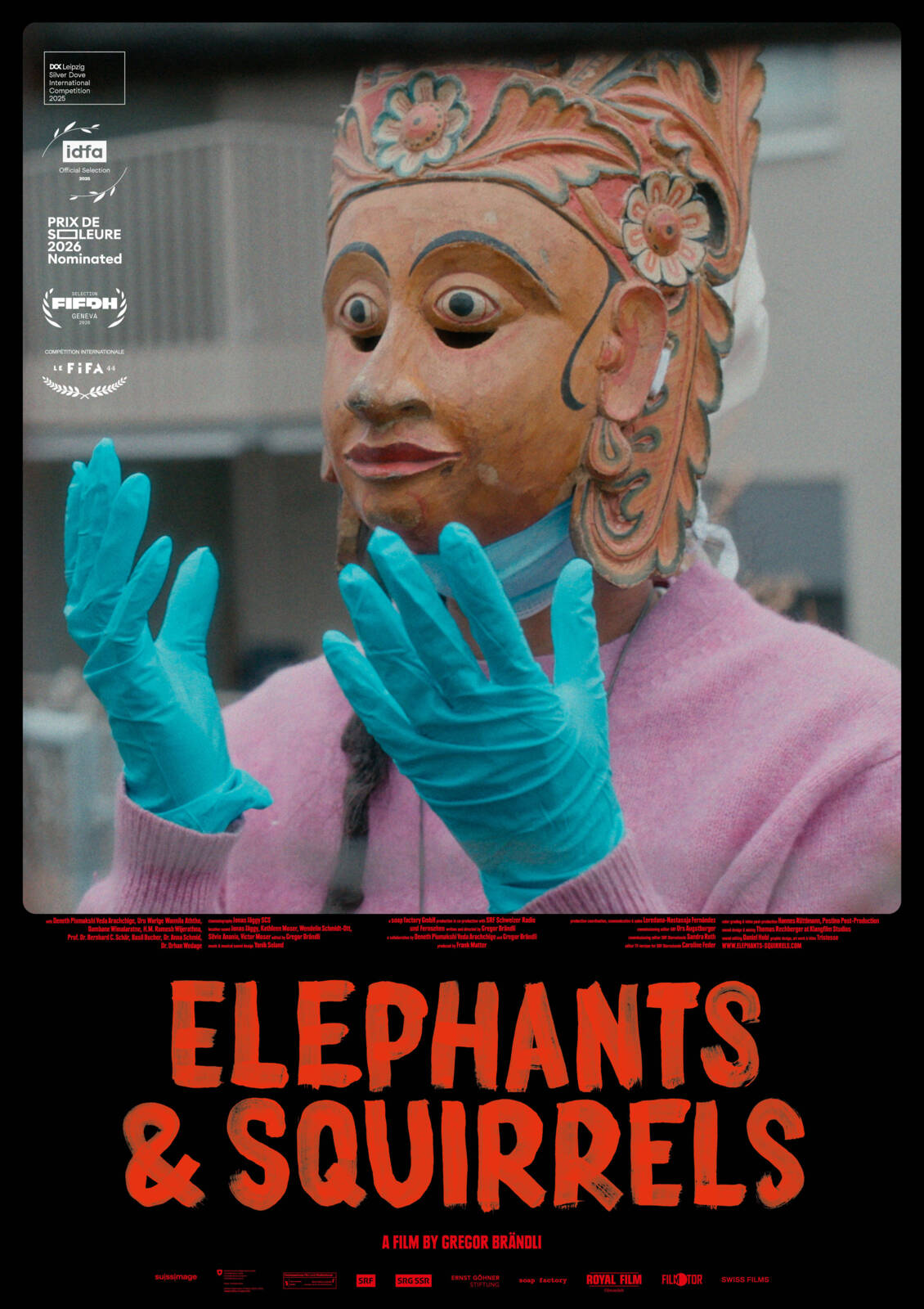
Gregor Brändli’s documentary film ‘Elephants & Squirrels’ chronicles the return of human remains held in the collections of the Museum der Kulturen in Basel to their community of origin, the Adivasis of Sri Lanka. In her review, Caroline Montebello (UniDistance Switzerland & University of Basel) reflects on the film’s specific contributions, notably its ability to give a voice to activists and communities of origin – who are often rendered invisible in historical archives – and to offer a comprehensive overview of a restitution process.