This interdisciplinary symposium brings together scholars from diverse fields to explore how knowledge is materially and medially constituted across cultures, with a particular focus on the conditions that shape its production, transmission, and interpretation.
Conceived as a space for dialogue across disciplines, the symposium fosters genuinely cross-disciplinary exchange among scholars working in fields such as philology, history, manuscript studies, media studies, digital humanities, musicology, and cultural studies. By encouraging engagement across diverse methodological traditions and research practices, it aims to open new perspectives on the study of knowledge.
The symposium examines both conventional and unconventional forms of knowledge expression and cultural practice as dynamic sites in which authority and meaning are actively produced and negotiated. Intellectual works, material artifacts, and digital objects are approached not as neutral containers of information, but as historically situated configurations shaped by cultural assumptions, technological conditions, and scholarly frameworks. Particular attention is given to how interpretive paradigms determine what is recognized as legitimate, canonical, or authoritative knowledge.
The discussion is structured around two closely interconnected perspectives. The first considers how material and digital conditions shape the interpretation, circulation, and cultural practices through which knowledge is produced and transmitted. The second examines how categories such as canon, archive, commentary, authenticity, and literacy structure disciplinary boundaries and hierarchies. By critically reflecting on these conceptual frameworks, the symposium, seeks to stimulate interdisciplinary exchange that challenges established taxonomies and opens new methodological directions.
This is a public event. Participation is free of charge and registration is not required.
Veranstaltungsort
Zusätzliche Informationen
Kosten
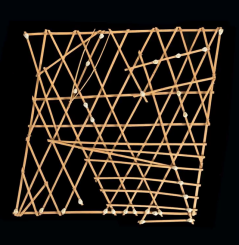
Arrangement of bamboo sticks and cowrie shells from the Marshall Islands, dating to the 1920s, illustrating a deep understanding of ocean patterns and the interaction of waves with land. Library of Congress, Geography and Map Division, US.